

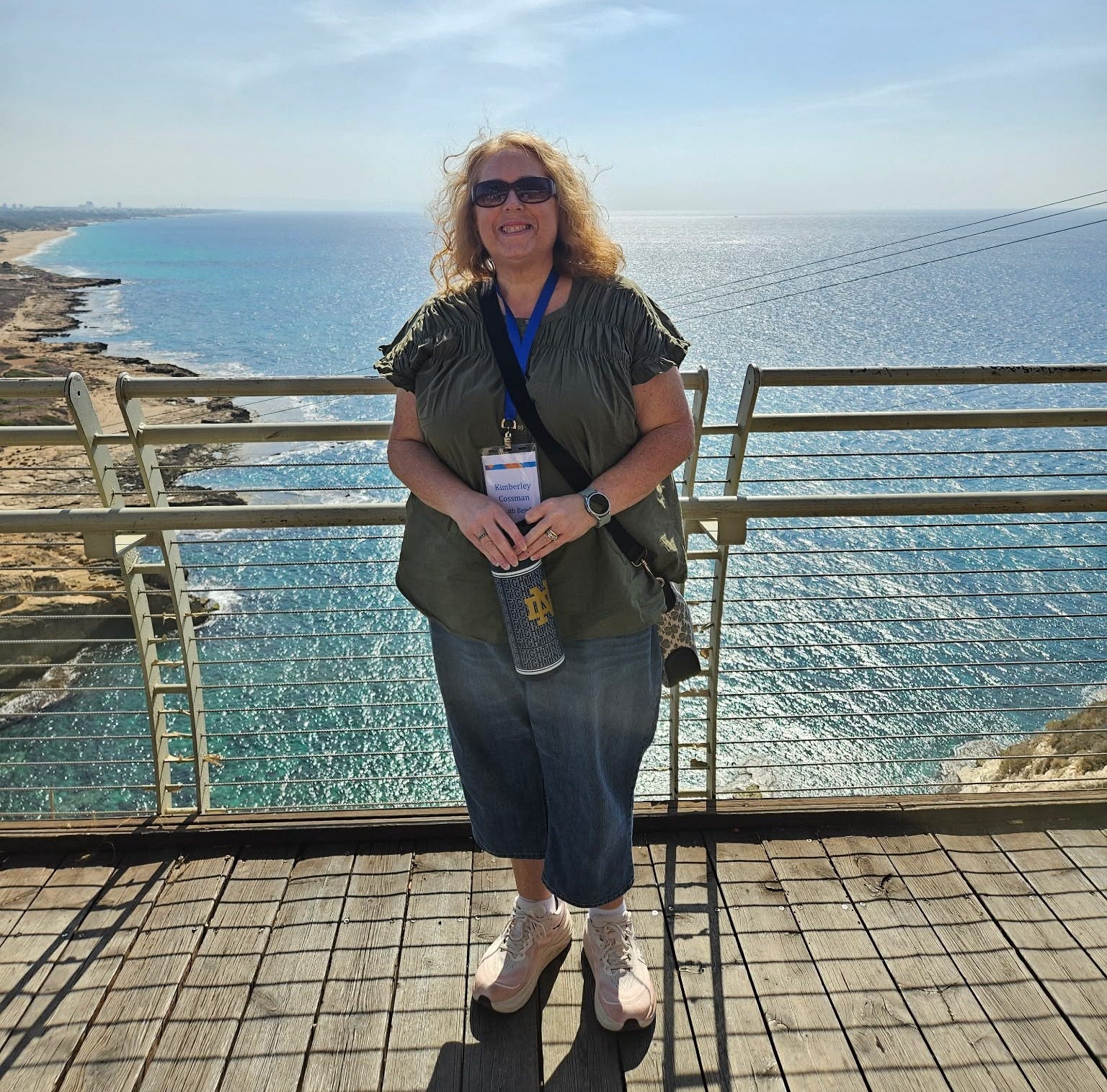
First, I would like to express my sincere gratitude to the Jewish Federation of St. Joseph Valley for giving me the opportunity to participate in this trip to Israel. It was an experience I will never forget. Thank you for placing your trust in me to represent our community. This was truly a once-in-a-lifetime opportunity, and I am deeply grateful for the memories, relationships, and perspectives I gained throughout the journey.
Sunday, October 11: Arrival in Israel and the Western Galilee
My journey to the Western Galilee began with flights from South Bend to Chicago, then Newark, and finally Israel. I managed to sleep only about an hour on the flight to Israel, likely because of a combination of nerves, excitement, and the uncertainty of what to expect. Traveling alone added to my nervousness, but I was determined to make the journey. After arriving in Israel, I successfully navigated customs, boarded the train to Nahariya, took a taxi, and arrived at the Jacob Sea Life Hotel.
I had very little time to settle in before a taxi arrived to take me to the new Partnership building. The building was beautiful, and I was excited to begin the program. Shortly after arriving, our group boarded a van and traveled to Kibbutz Hanita, located near the northern border with Lebanon.
We heard from the head of security about life on Kibbutz Hanita, which is located approximately 50 yards from the Lebanese border. Standing in an area that had been bombed during the war was an intense and sobering experience. Despite the challenges the community had faced, we learned how its residents had worked to rebuild their lives. The kibbutz’s kindergarten, similar to a preschool in the United States, was operating again, and its distillery had resumed production.
Following our visit, we toured Julius Distillery and learned how its gin and other spirits are produced. One particularly interesting aspect of the operation was that its products depend on whatever fruit the local farm delivers. The ingredients might be berries, plums, apricots, or something else entirely. The distillery also offered beautiful views of the Western Galilee.
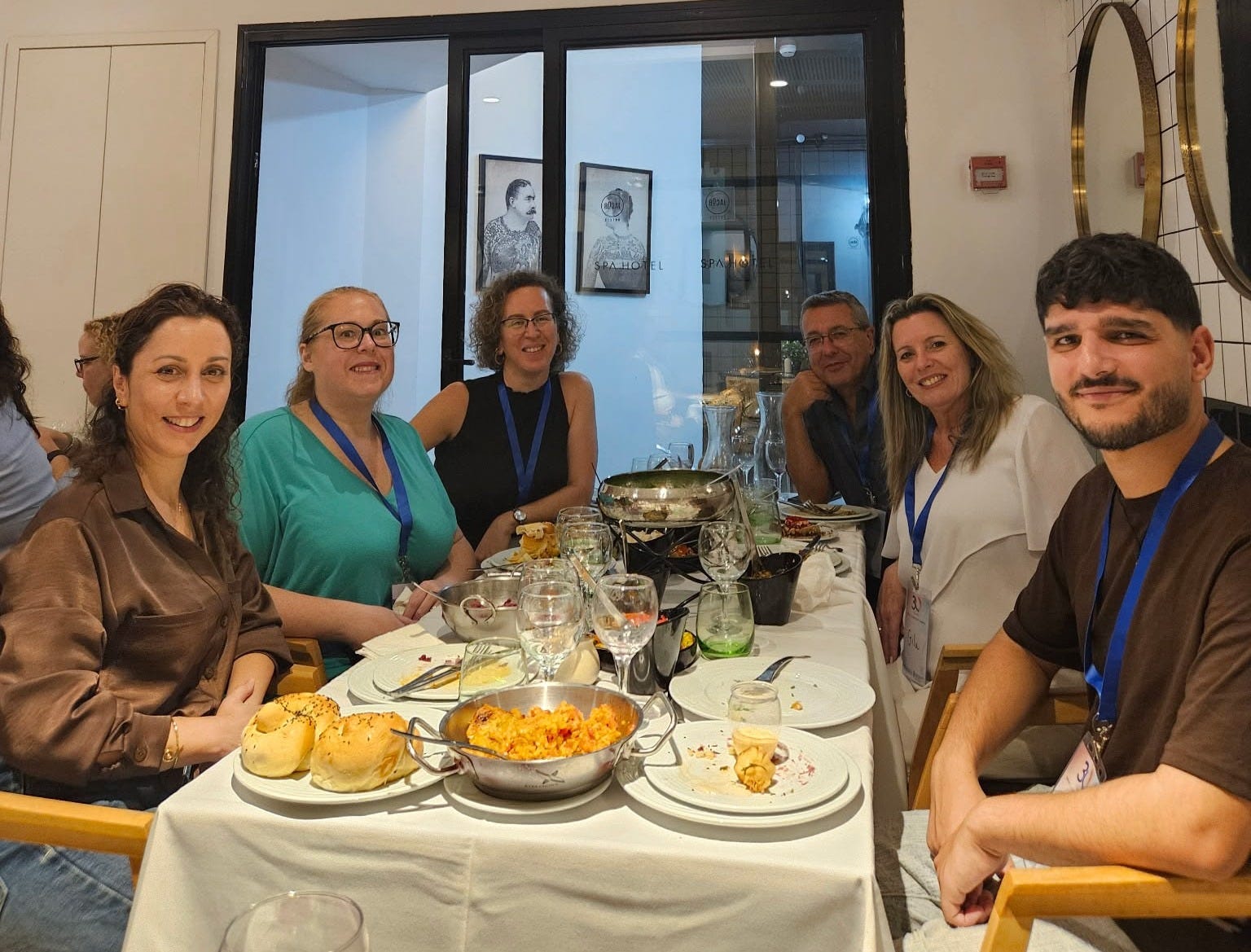
Later that evening, we gathered for dinner with guests invited by Partnership. I was delighted to see Sarit Friedman, a member of the Chef Delegation that had previously visited our community to prepare meals for us. It was wonderful to reconnect with her and hear how she was doing. Our hosts encouraged everyone to sit with an American guest, creating a welcoming atmosphere for conversation and connection. The meal was exceptional, with an abundance of salads, dips, fish, chicken, and other dishes. After more than 24 hours of traveling, I was grateful for the hospitality and the opportunity to begin reconnecting with people I had met through our community’s Partnership relationships.
Monday, October 12: Holocaust Education, Resilience, and Akko
We began Monday at the Ghetto Fighters’ House Museum, a Holocaust museum with extensive exhibits documenting the experiences of the Jewish people before, during, and after the Holocaust. One particularly moving exhibit featured books containing records of Jewish people taken into custody by the Germans, available in both English and Hebrew.
As we moved quietly through the museum, our guide shared the history behind the exhibits and the events they represented. The museum was thoughtfully designed, and I wish we could have spent more time there. Although our visit lasted only two and a half hours, it was a meaningful opportunity to reflect on Jewish history and the importance of preserving the memories of those who suffered and perished.
Our next stop was the opening ceremony for the new Resilience Center at Western Galilee College, established with generous support from Partnership communities, particularly the Jewish Federation of Greater Indianapolis. Rebecca, the new director of the Indianapolis Federation, spoke at the ceremony. The center is designed to help soldiers cope with post-traumatic stress disorder (PTSD), anxiety, and the psychological effects of traumatic experiences.
During our tour, we experienced a virtual reality simulation designed to demonstrate some of the center’s therapeutic approaches. Participants wore a vest, a watch, and a virtual reality headset while holding a simulated weapon. The scenario recreated the events of October 7. Throughout the simulation, I felt the vest vibrate to indicate that I had been shot, and I found myself responding to the situation as though it were real.
Afterward, one of the facilitators observed that I appeared nervous. He explained that my breathing and perspiration had revealed my anxiety. He then discussed the techniques the center uses to help soldiers manage their responses to trauma, including breathing exercises. Experiencing even a simulation of such a frightening situation gave me greater appreciation for the emotional challenges these soldiers face and the importance of providing them with effective support. It was an experience I will not soon forget.
We continued to the Crusaders Hall in the Old City of Akko, where an archaeologist who had participated in excavations guided us through the historic site. As someone who loves history, I thoroughly enjoyed learning about the hall and how it had been discovered. Walking through the narrow streets of the Old City made it easy to imagine what life might have been like centuries ago.
We also visited the home of a Muslim woman who graciously welcomed us inside. Her home was reached by climbing a steep staircase of approximately 50 steps, but the effort was rewarded with a beautiful view of the sea and the Old City from her balcony. She prepared refreshments for us and shared her home with remarkable warmth and generosity.
That evening, I was fortunate to be hosted for dinner by Chef Inon Carmel, another member of the Chef Delegation who had visited our community. I had the pleasure of meeting his wife, son, and daughter and enjoying a wonderful meal together.
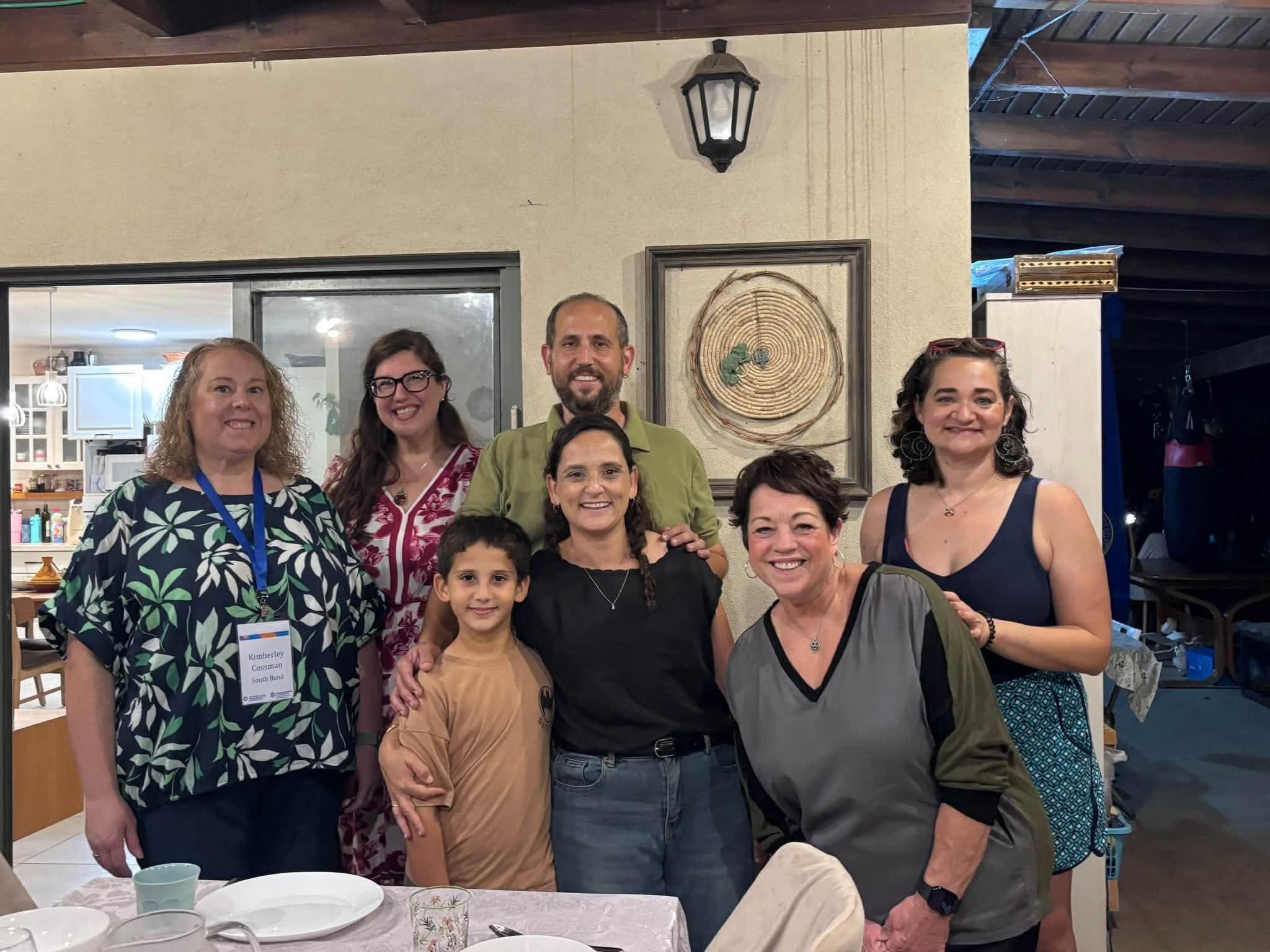
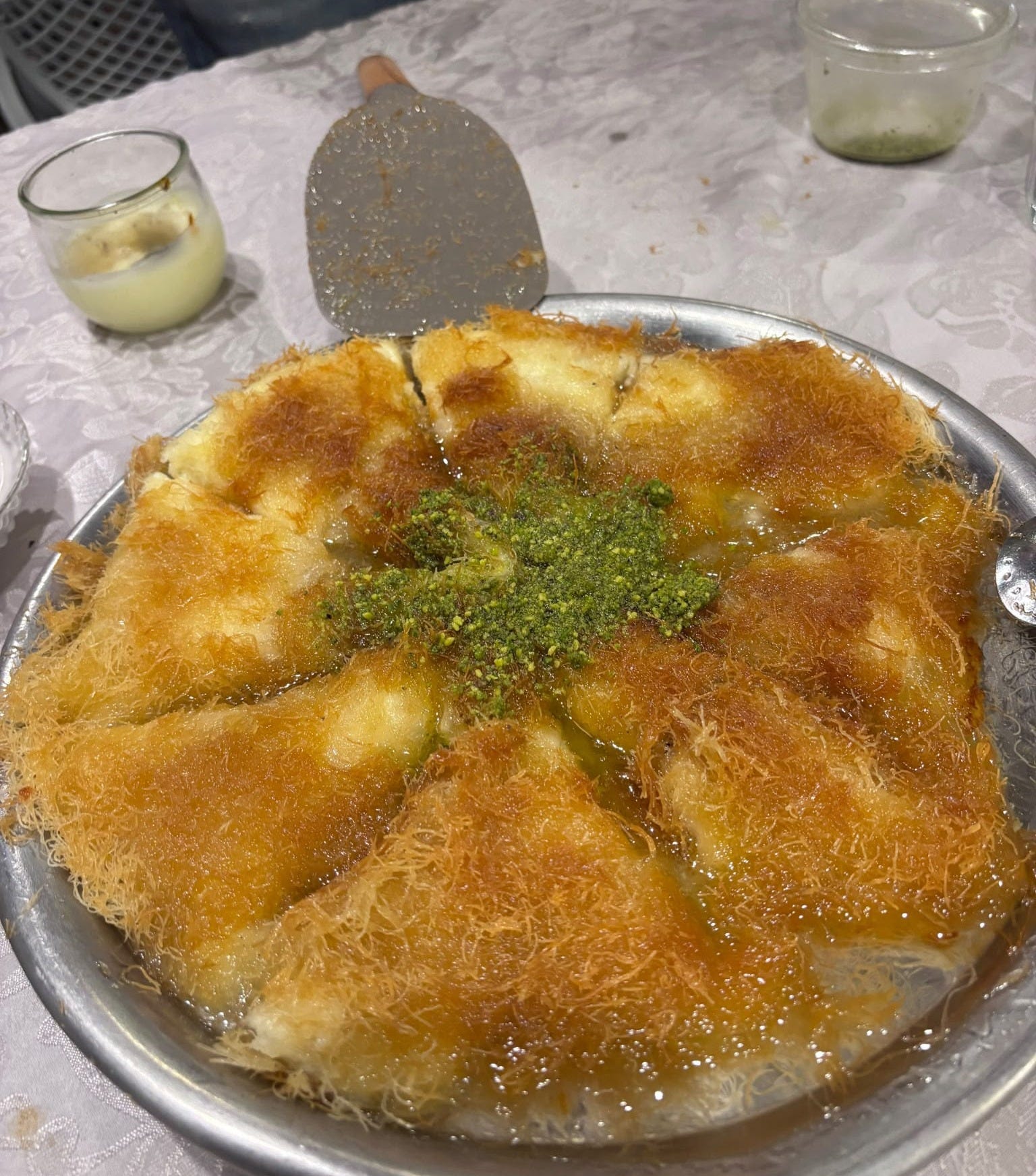
Chef Inon prepared kubbeh, a traditional dish featuring meat-filled dough served in a lemon-based broth. He was kind enough to share his grandmother’s recipe with me. For dessert, he served kanafeh, a delicious dish made with shredded pastry and cheese, topped with sweet syrup.
Beyond the wonderful food, the evening was especially meaningful because of our conversations about life near the Lebanese border. His daughter showed us a video of what it looks like when the Iron Dome intercepts a rocket and spoke about the experience of living so close to the border while missiles are being launched into Israel. Her courage, and the courage of her entire family, left a lasting impression on me.
Despite the challenges they have endured, they have chosen to continue living their lives on their kibbutz. They are not allowing the war to define their future or force them to live in fear. Chef Inon spoke enthusiastically about plans for the community’s olive harvest and producing olive oil. He also drove us around the kibbutz, pointing out important places and sharing more about the community.
It was a beautiful evening filled with hospitality, meaningful conversation, and a powerful reminder of the determination of the people who call the Western Galilee home.
Tuesday, October 13: Remembering October 7 and Building Community
On Tuesday, we met with Shimon Buskila, whose son, Yarden, was killed on October 7. We visited a garden created in Yarden’s memory, where his father shared stories about his son’s life, interests, and courage during the attack.
Yarden loved helping his father in the woodshop, spending time by the sea, scuba diving, playing backgammon, and sailing. His father also described Yarden’s efforts to help others during the attack and the circumstances in which he and others attempted to hide from the terrorists.
Listening to Mr. Buskila speak about his son was deeply moving. His love for Yarden was evident in every story he shared. His family has chosen to honor Yarden by continuing to tell his story and welcoming others into the garden created in his memory. Their strength and determination to ensure that Yarden’s name is never forgotten left a profound impression on me.
We then traveled to Kibbutz Evron to visit a bilingual kindergarten where children learn in both Hebrew and Arabic. The staff showed us the new bomb shelter built for the children’s safety and explained how the kindergarten operates. We also had the opportunity to help plant wheat that the community intends to harvest.
Following our visit, we met with kibbutz leadership for lunch and a discussion about the community. They explained how the kibbutz is organized and how people from different backgrounds live and work together.
One of my most significant takeaways from this trip was witnessing examples of Jews, Muslims, and Druze living together peacefully in the communities we visited. While news coverage often focuses on conflict and violence, I also witnessed communities working together, raising children, rebuilding after hardship, and maintaining meaningful relationships across cultural and religious differences.
I returned from these visits with a greater appreciation for the complexity of life in Israel and the importance of recognizing the many ways people continue to build community and pursue peace despite the challenges they face.
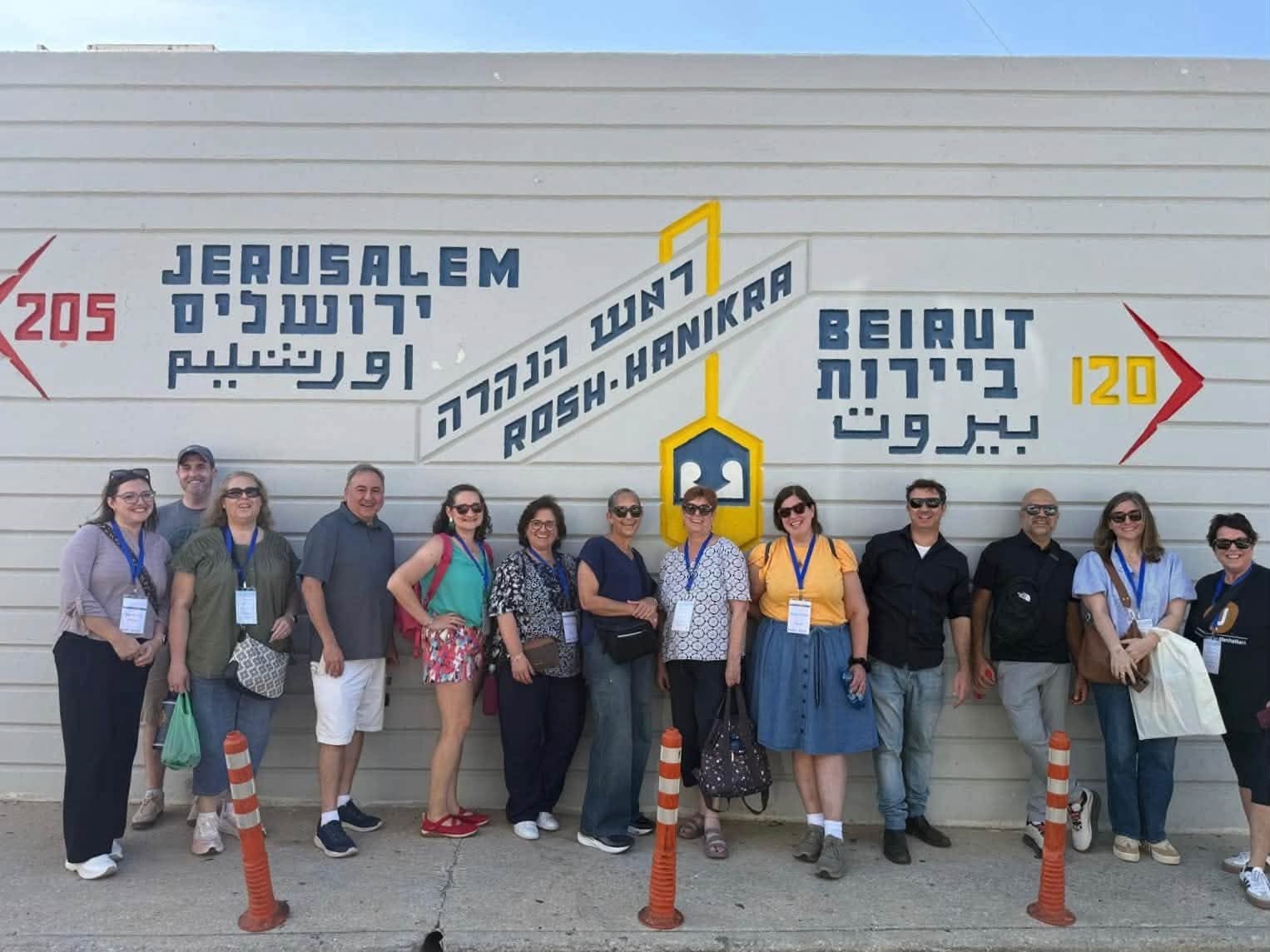
Later that day, we visited the Rosh HaNikra grottoes. Unfortunately, they were closed because of the war and were scheduled to reopen the following week, after our departure. Although we could not explore the grottoes, we enjoyed spectacular views of the Mediterranean Sea and once again found ourselves near the Lebanese border. We continued a Partnership tradition by taking a photograph beside a sign marking the distances to Jerusalem and Beirut.
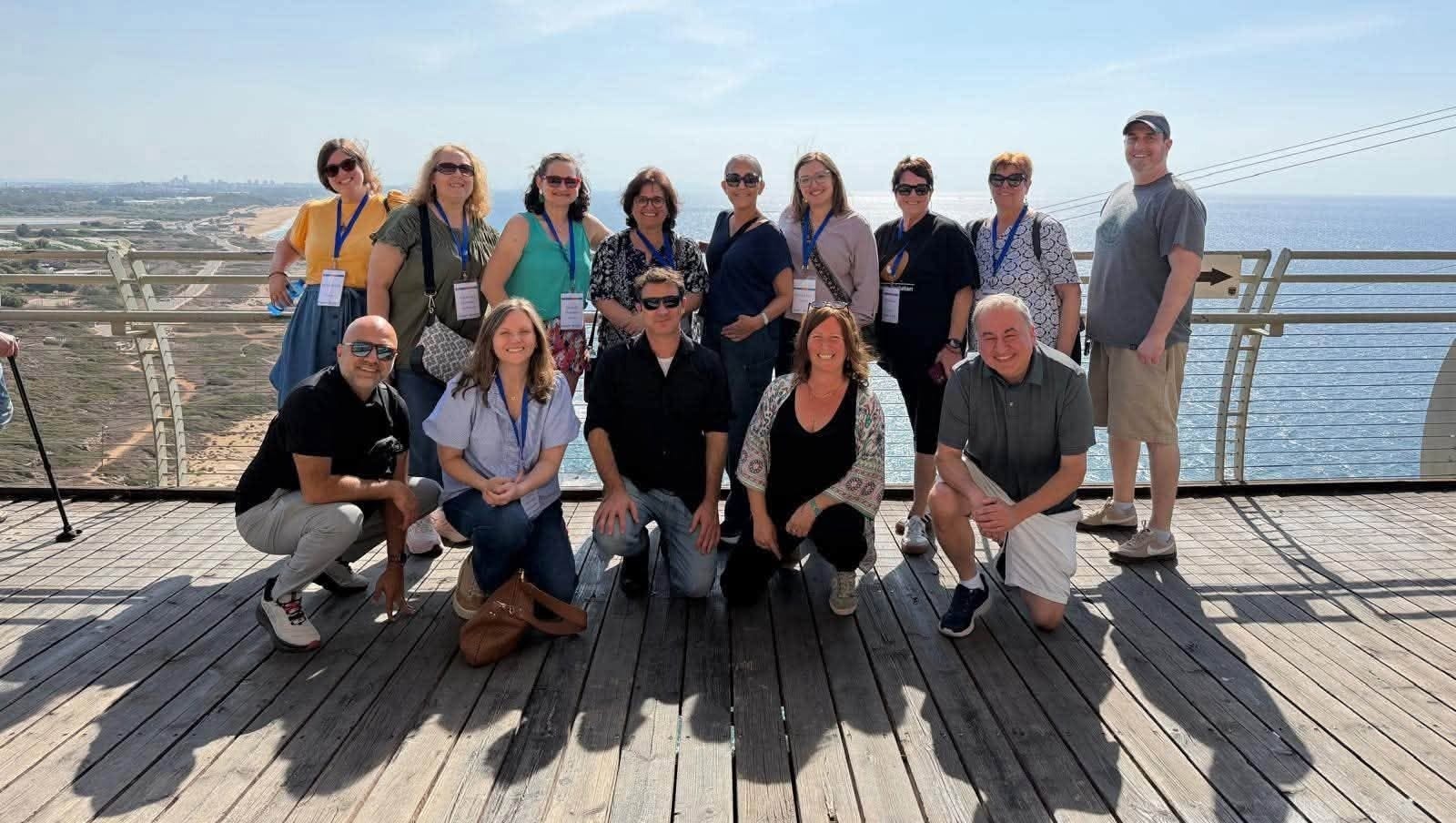
We were given some free time before dinner, and I chose to spend an hour sitting beside the Mediterranean Sea, reading my book and listening to the waves. It was a peaceful opportunity to reflect on everything I had experienced so far.
That evening, we attended The Last Embrace, a photography exhibition honoring those lost on October 7 and during the war. We then enjoyed a meal catered by a Druze woman who had established her catering business after losing her husband in the war. Her strength and determination were another reminder of how people find ways to move forward after tremendous loss.
The evening concluded with a panel discussion titled “Looking Ahead: The Renewal of the North,” featuring Moshe Davidovich, head of the Mateh Asher Regional Council. The discussion highlighted the importance of rebuilding and supporting communities in northern Israel.
Wednesday, October 14: Supporting Children and Remembering Those Lost
On Wednesday, we checked out of our hotel and prepared to travel to Tel Aviv later that day. Before leaving the Western Galilee, we visited ORT Darski High School, where we met twelve students participating in a mentorship program designed to help young people cope with the emotional and personal challenges they have faced.
At first, some of the students seemed playful and mischievous, but as we learned more about their individual experiences, I developed a deep respect for their resilience. One student shared how his mother had spent six months in a mental health facility and his sister three months in treatment following the trauma of October 7. During that time, he was left to navigate the circumstances affecting his family.
Through the mentorship program, students are paired with mentors who spend time with them, take them on outings, talk with them, and offer consistent friendship and support. The goal is to provide a trusted adult who will continue to be there for them.
Each of the twelve students had a different story, and although I did not learn every student’s circumstances, I could see how differently they were coping. Some appeared withdrawn and frightened, while others who had participated in the program longer seemed to have made progress toward processing their experiences and moving forward.
This program was particularly meaningful to me because it demonstrated how important it is to support children and young people who have experienced trauma. Their emotional well-being deserves attention, compassion, and sustained care. I was impressed by the commitment to helping these students regain a sense of stability, connection, and hope.
We then traveled to Tel Aviv to visit the Peres Center for Peace and Innovation. There, we viewed another exhibition dedicated to the victims of October 7. The exhibit displayed personal belongings and biographies of those who had been killed, including young children and babies.
One of the most difficult parts of the exhibit was hearing recordings of babies laughing while viewing the belongings of children whose lives had been taken. Seeing the bouncy seats and toys of young children who had been murdered was heartbreaking.
This visit was especially emotional for me because October 14 marked the fifteenth anniversary of the death of my daughter, Ziva. The personal belongings of those who had been lost brought my own grief to the surface, and I found this part of the day particularly difficult.
The center also displayed the yellow dumpster in which Yarden and others had sought refuge during the October 7 attack. The bullet holes were still visible, and visitors could enter the structure and read about the people who had been killed there after fleeing the Nova Festival.
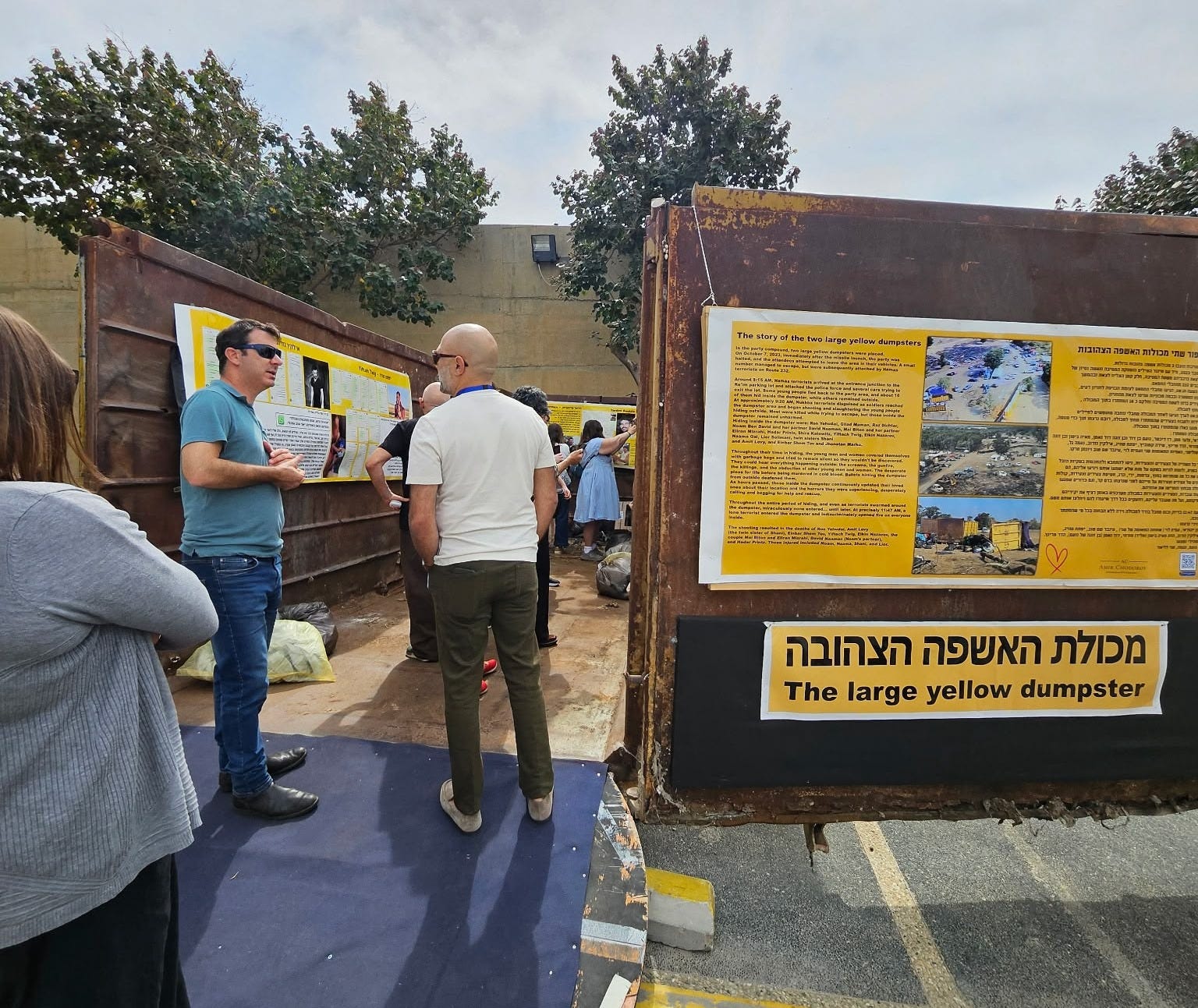
Seeing these exhibits made the human cost of October 7 painfully real. Behind every name and every personal belonging was a life, a family, and a future that had been taken away.
Our guide also introduced us to Israel’s history of innovation and the legacy of Shimon Peres, a former prime minister and president of Israel. I learned about Israeli contributions to technology and agriculture, including developments associated with USB drives and cherry tomatoes.
We heard how Peres encouraged Israelis to “Dream Big” and learned about the many honors he received, including the Nobel Peace Prize and the Presidential Medal of Freedom from the United States. We were able to sit in his office and see his medals and awards. I even sat in his chair, where he reportedly took his daily nap. Although I cannot say whether I felt his presence, I certainly felt relaxed!
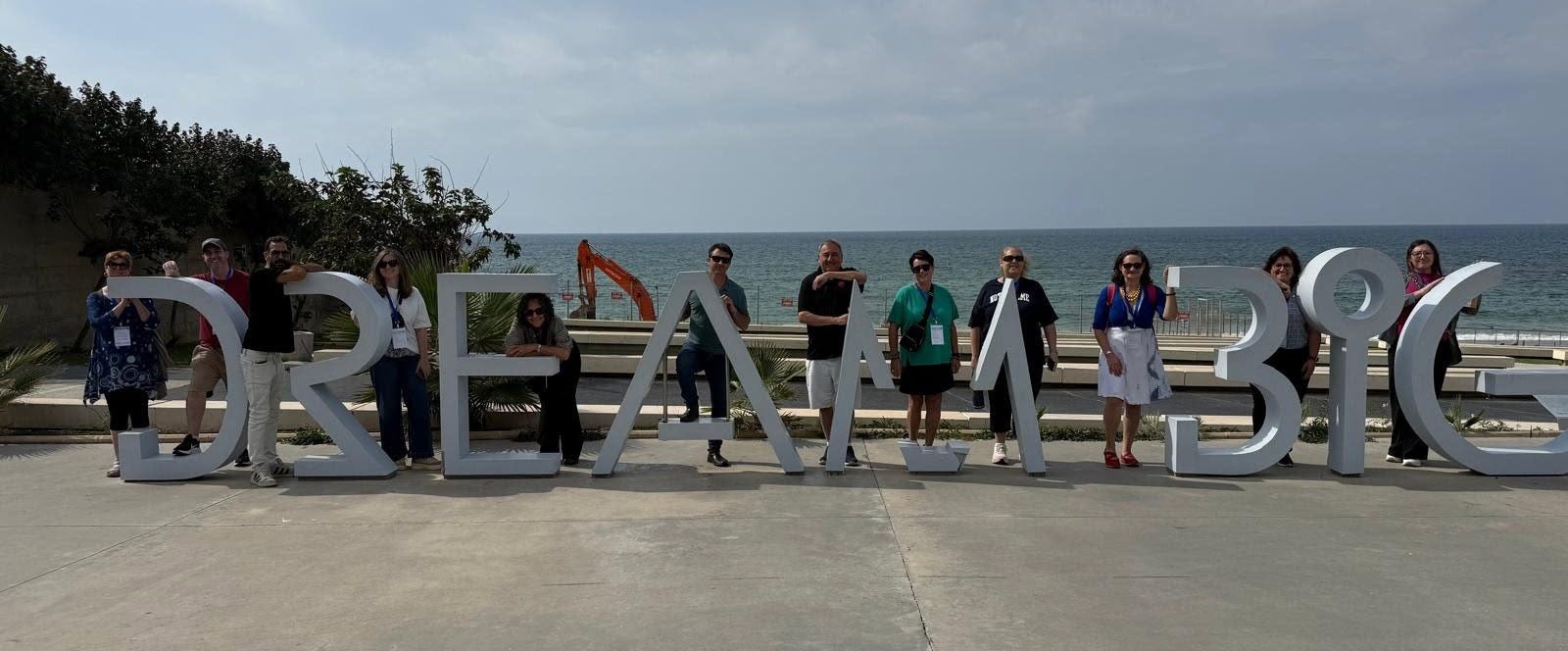
The visit offered an important balance to the day’s difficult exhibits. It reminded me that Israel’s story includes not only loss and conflict but also creativity, innovation, ambition, and the determination to build a better future.
After leaving the center, we visited the famous Jaffa Flea Market. The market was lively and bustling, with vendors eager to share their merchandise. My main goal was to find a mezuzah for my daughter, Abbee, to celebrate her new home. During the visit, I also enjoyed my first Israeli shawarma and an ice cream bar. One thing I can say about this trip is that we were always well fed!
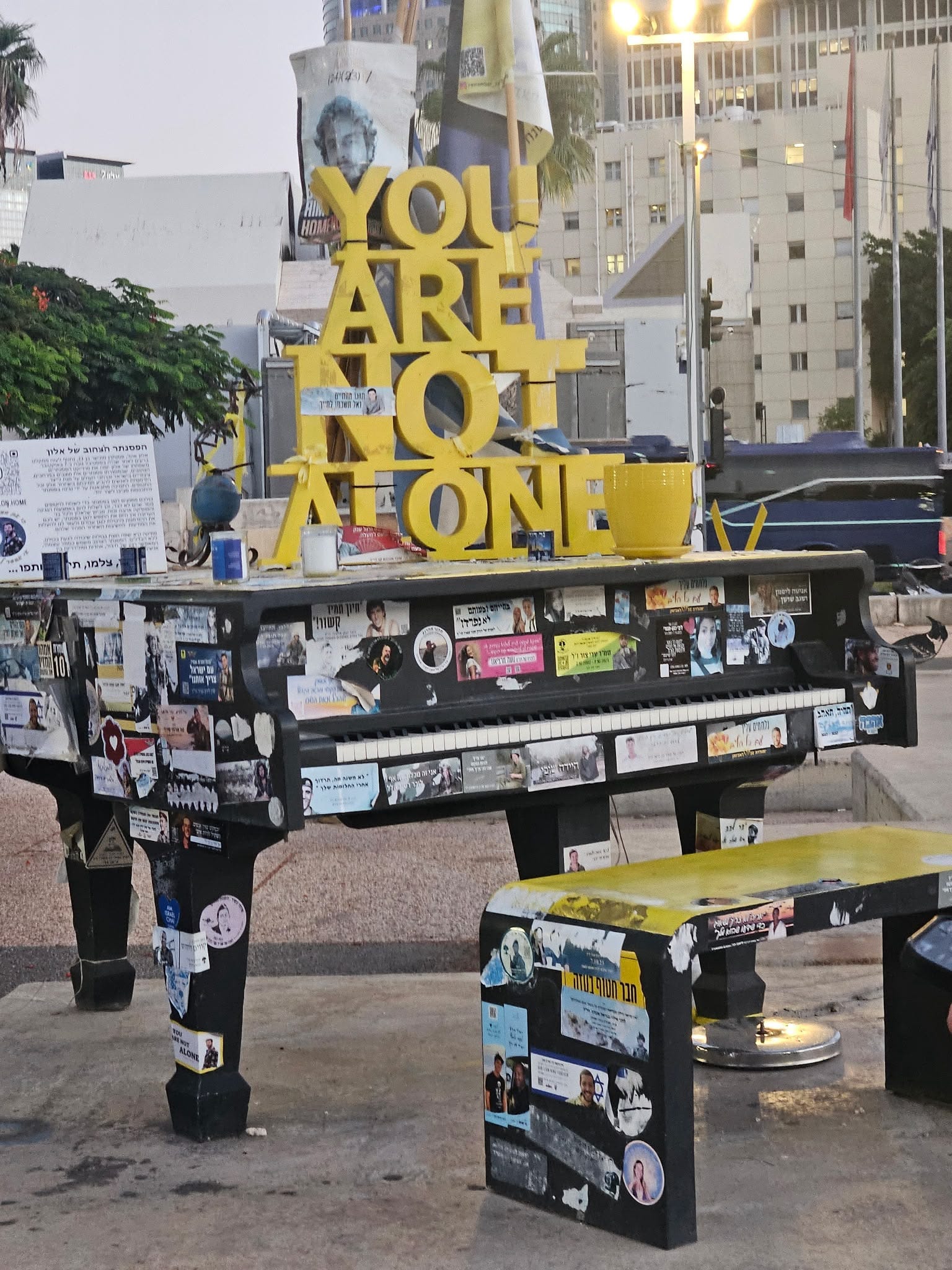
Later, we visited Hostages Square, an important gathering place for Israelis in recent years. There, we met Omri Shifroni of the Kumu Organization, who shared his experience surviving the October 7 terrorist attacks.
Omri described the terrifying hours he spent hiding in his home, hearing terrorists moving nearby and knowing that standing in front of the door could put his life in danger. He recounted how his brother bravely protected his daughter by hiding her in a dryer, ultimately losing his own life during the attack.
Omri also described hearing gunfire and the sounds of homes being set on fire. He remained in his bomb shelter for fourteen hours before the Israel Defense Forces arrived and told those inside that it was safe to come out. He spoke honestly about the destruction of his kibbutz and the helplessness he felt during the attack.
After his rescue, Omri turned his attention to helping others who had survived. He has since become a leading organizer of an October 7 memorial tribute honoring those who did not survive. His story was powerful, honest, and deeply moving. It demonstrated how someone who has experienced unimaginable trauma can dedicate himself to preserving the memories of others and supporting his community.
That evening, we checked into our cinema-themed hotel in Tel Aviv, which featured photographs of classic films, an old production camera, and film canisters. We then participated in a Tel Aviv food and bar tour, visiting several restaurants and sampling a variety of dishes. The cheese bourekas were my favorite! Although I had not chosen the best shoes for an evening of walking, the energy of the city and the opportunity to experience its food and culture made the evening enjoyable.
Thursday, October 15: Exploring Tel Aviv and Reflecting on Partnership
Thursday was my birthday, and we began the day with a tour of Tel Aviv, including the historic neighborhood of Neve Tzedek. I enjoyed seeing the city’s architecture, art, and history and learning more about its development as the first modern Hebrew city. We also visited the Yemenite Quarter, where we stopped for lunch.
After lunch, we met with a journalist who discussed the importance of the upcoming Israeli elections. The conversation focused on the desire for change and the hope that the elections would bring a different future for the country.
We concluded the program with a reflection session, considering how the trip had affected us intellectually and emotionally and which experiences had made the greatest impression.
For me, one of the most meaningful aspects of the trip was reconnecting with members of the Chef Delegation who had previously visited our community. I had the opportunity to share meals with Sarit Friedman and Inon Carmel and spend time with Inon’s family. It was wonderful to discover that the relationships formed during their visit to our community could continue across such a distance.
Sometimes, when we host visitors from Israel, we wonder whether we will ever see them again. This trip showed me the power of Partnership to make those connections lasting and meaningful. It brings people together, builds friendships, and strengthens the bonds between communities.
Final Reflections and Gratitude
I will always remember this trip and the lasting impact it has had on my life. I came away with a deeper appreciation for the resilience of the Israeli people, the importance of remembering those who have been lost, and the commitment of communities to care for their most vulnerable members.
I witnessed people who have experienced extraordinary hardship continue to build their lives, support their neighbors, raise their children, and look toward the future. I learned about programs that help soldiers cope with trauma, mentors who support children as they recover from painful experiences, and families who honor loved ones by sharing their stories and preserving their memories.
I also saw examples of people from different religious and cultural backgrounds living and working together. These experiences reminded me that peace and understanding are possible and that meaningful relationships can exist even in places affected by conflict.
Israel was not what I expected it to be. It was more complex, more moving, and more inspiring than I could have imagined. I returned home with a greater understanding of the people who live there, the challenges they face, and the strength they demonstrate every day.
Most importantly, this trip reinforced the value of Partnership. It is about much more than visiting another country. It is about building relationships, learning from one another, sharing our experiences, and creating connections that continue long after the trip ends.
Thank you again to Federation for entrusting me with the opportunity to represent our community on this remarkable journey. I appreciate your generosity and confidence in me more than words can express. This was truly a gift of a lifetime, and I will carry the memories, lessons, and relationships from this trip with me forever.
Kim Cossman is co-chair of Federation’s Partnership2Gether Committee.